
The Time Has Come for Decisiveness in Ukraine

Since its inception and until recently, an asymmetric war has been underway in Ukraine. It has sparked remarkable innovation on the part of Ukraine but has also prevented its military from conducting their war effort with the same strategic options and advantages available to the Russian invader. Defensive weaponry was provided early in the course of the war and used with great effect to repel the Russians from much of their initial territorial gains.
Offensive armament with long-range capability for targeting military sites on Russian territory, however, was denied for fear of provoking Russia even though the latter was allowed to act with impunity, destroying civilian infrastructure and military installations on Ukrainian territory from these same sites or from its own air space. Compounding the problem of reclaiming Russian-occupied territory in Ukraine was the obvious lack of air support required in Ukraine’s counteroffensive, again ostensibly for the same reason. The strategy of incremental escalation in delivery of suitable armament to meet the demands of war has been ill-advised and has served only to protract a brutal war that has cost substantial numbers of innocent lives.
It appears that the West and particularly the United States (U.S.) has been under the impression that Russian conduct in war is somehow changed from that which was witnessed during World War II. It hasn’t. All the elements normally ascribed to terrorist scale operations are manifest in the Russian military – mass execution, disregard for civilian welfare, indiscriminate bombardment, torture, rape, child abduction. It is a reflection of both innate Russian cruelty and an appalling lack of military discipline. A negotiated conclusion to this conflict in the minds of some remained a possibility if one held back on taking action that would actually draw this ugliness to an end. The affordability of time has not been in Ukraine’s favor particularly with the brutal nature of this Russian war being what it is.
In reality, Russian leadership enjoys operating within a manufactured “gray zone” in which concerns are openly raised by the West that certain of its actions in Ukraine, however indirect, may appear to threaten Russian territory, its economy and fiscal well-being or to lessen its capabilities in maintaining military equilibrium with the North Atlantic Treaty Organization (NATO). Indeed, Russians do enjoy threatening others by veiled and, at times, overt threats of nuclear retaliation for any suggestion by the West of interfering with what the Kremlin believes to be its private regional concern. Western ambiguity and hesitation create ample room for Russia to maneuver and continue to undertake any means available to commit its crimes against humanity.
Nuclear escalation carries with it the prospect of world war which, once triggered, could prove disastrous for all so that avoidance of a threshold for such an outcome has been the goal. For Vladimir Putin, what at first seemed to be a limited “special military operation” easily managed by his outsized military force quickly turned into a debacle. For Russia to resort to using nuclear weapons would be an acknowledgement of its failure to conduct a conventional war against a smaller adversary even with Western support. Such a humiliation would be a reminder of its ill-fated 1904-5 war with a much smaller Japan when tsarist Russia sought to overtake Manchuria in the Far East. Tsar Nicholas II was ultimately forced to negotiate a U.S.-brokered peace with Japan after much of Russia’s apparently formidable Baltic naval fleet had been sunk.
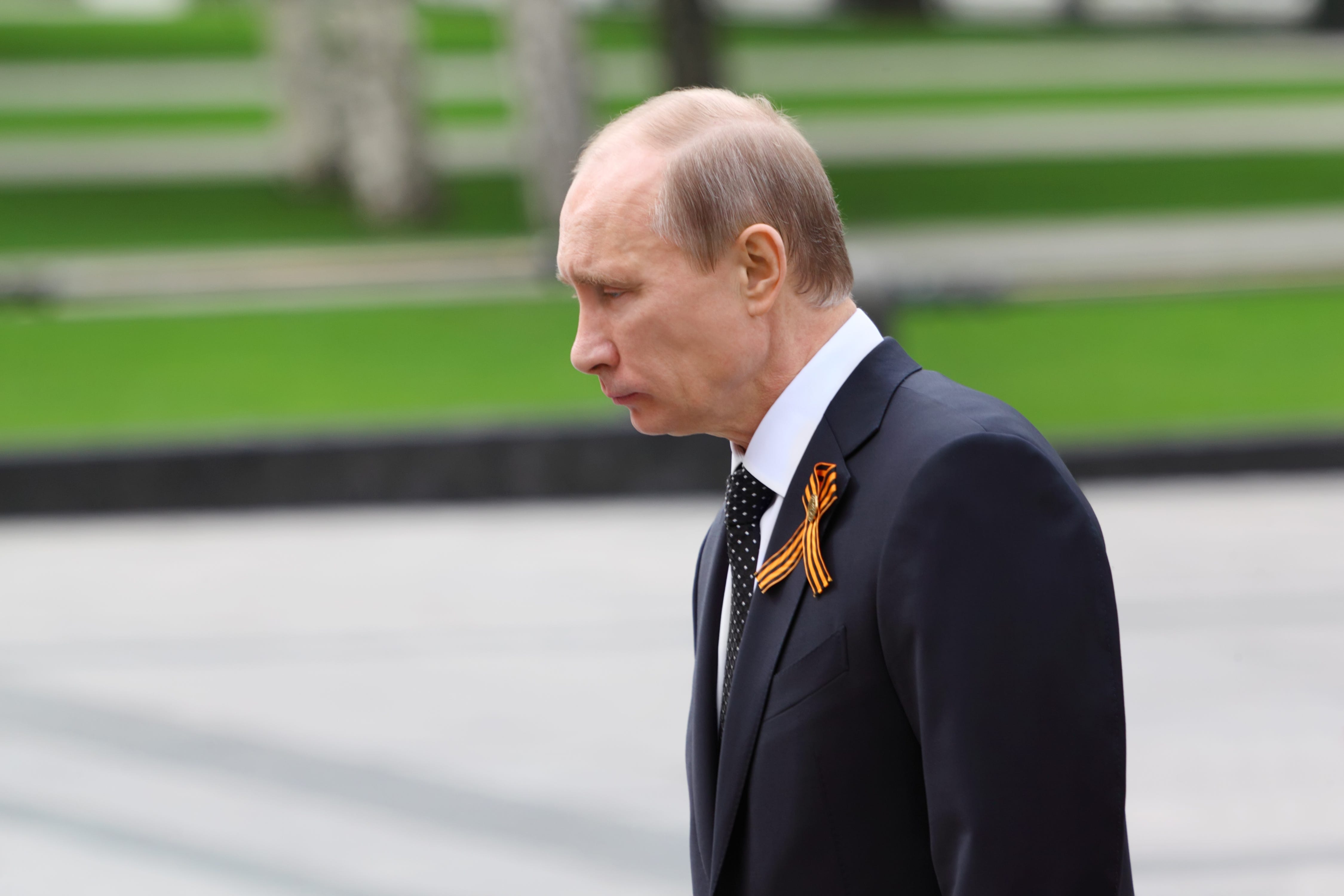
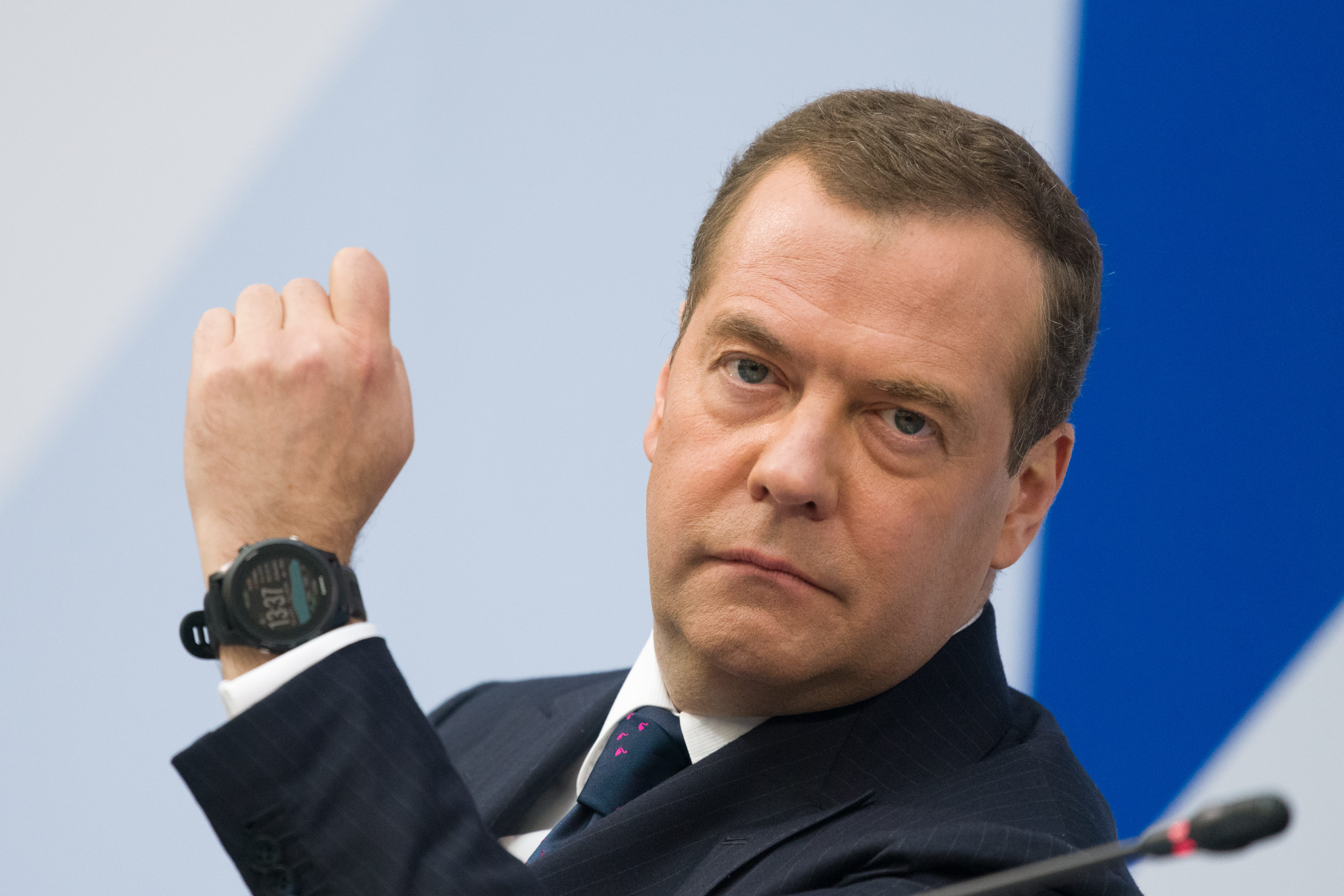
Putin had conceded he would only use nuclear weaponry to retaliate against an initial incoming nuclear strike upon Russia or to respond to an event that threatened Russian statehood. He has chosen, however, to begin moving his nuclear armament about as if to imply a readiness to strike out for some yet unknown justification. Others existing in the even more lunatic fringe of Putin’s camarilla, the deputy chairman of the Security Council of the Russian Federation, Dmitry Medvedev, as an example, or media propagandists, Sergei Karaganov and Dmitri Trenin, have been eager to demonstrate their characteristic bravado by promoting the idea further, likely as shills for Putin’s scheme to heighten the prospects. In the end, Putin’s tendency to say one thing yet do another should be taken into account — but only to a very finite measure. The great unknown for Putin’s regime, beyond what may have been privately forewarned, remains to be the final response to such an action. Even China is hesitant about Russian nuclear escalation as it is seen to be an enabler of this war and therefore subject to global condemnation. What that would mean for its global trade relations, among other cooperative ventures, may be another consideration which it will have to fathom in the long term.
How is This Conflict to be Perceived?
In his book, A Conflict of Visions: Ideological Origins of Political Struggles (William Morrow & Co, 1986), Thomas Sowell, senior fellow at the Hoover Institution, distinguishes between “constrained” and “unconstrained” visions of how the world works. A constrained vision seeks peaceful resolution by trade-offs wherein some degree of fairness prevails, whereas an unconstrained vision requires proper justice to be meted out in order to rid the conflict entirely. Economist Arnold Kling frames the characterization as the difference in how a particular society may be regarded. Those with a constrained vision of events tend to think that an embedded cultural knowledge of a society contains more wisdom in opposition to those with an unconstrained vision who believe solutions are better achieved through knowledge expressed by the enlightened and moral elite members of that society.
Once described by Churchill as “a riddle, wrapped in a mystery, inside an enigma,” Russia is perhaps now better understood by the sum of its history during the 20th century and first quarter of the 21st. Accustomed to authoritarian rule in which the media and judiciary are largely subservient to a highly centralized governmental power, Russian society, for the most part, has accepted its fate and limitations of self-expression for a perceived security against a Kremlin-manufactured threat of the West. Infusion of an overweening sense of nationalism coupled with revival of Russia’s historic religious spiritualism by Putin’s regime has become the substrate for the Kremlin’s well-established propaganda machine that perpetuates its tirade against the West. So imbedded are these features in Russia’s societal state-of-affairs that it seems both “constrained” and “unconstrained” visions of the current conflict apply. There is the necessary appreciation of Russia’s cultural background just as there is a need to understand the intransigence of the Kremlin’s authoritarian mindset that pervades Russian society and wishes only a very particular outcome to the conflict.
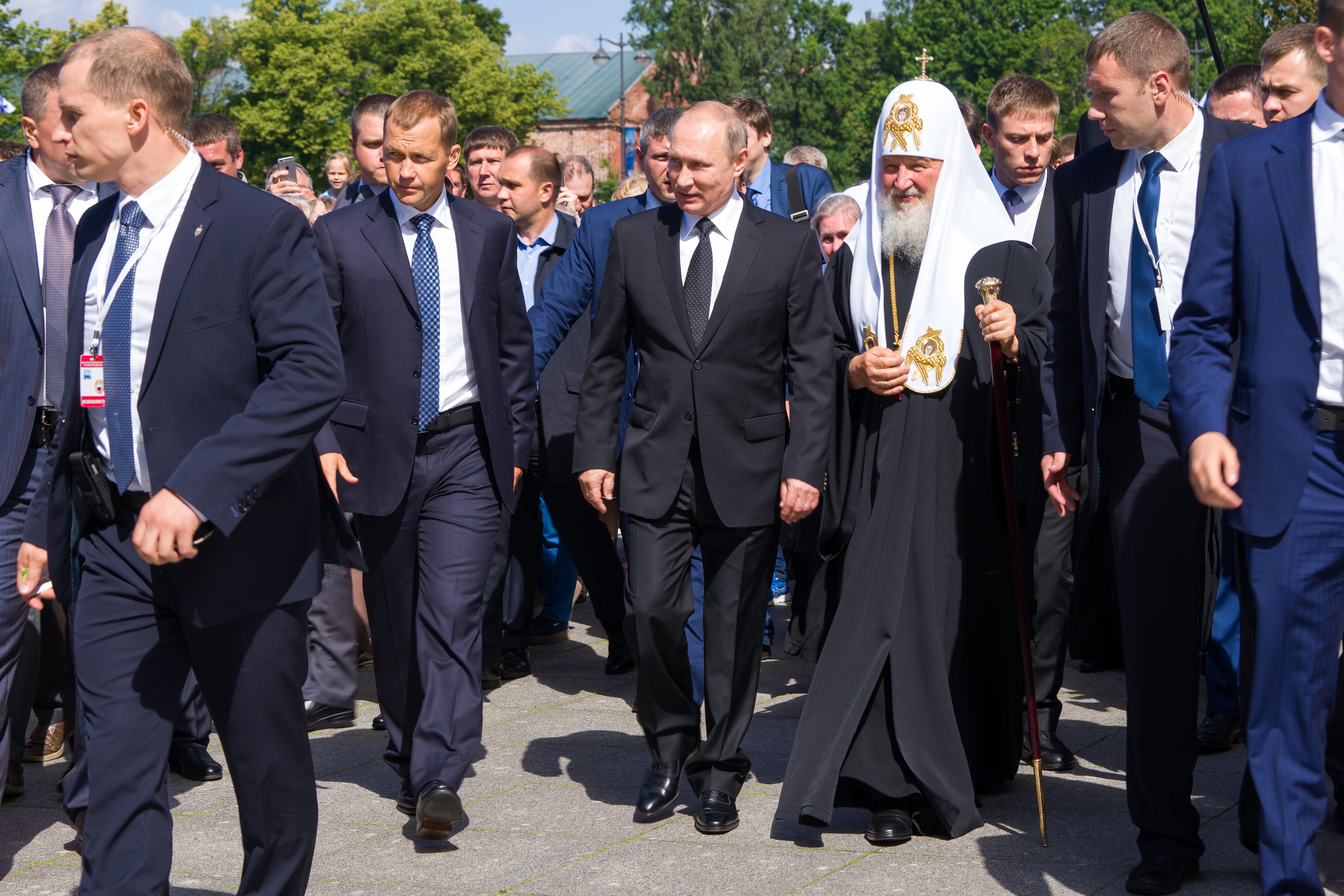
The Russian national sentiment with its historic spiritual undertone has been recruited for the purpose of war by a malign regime with imperial designs. The result has been that Russia’s vision of itself has become irreconcilably polarized. The problem with Russia in this setting is the lack of morality of its leadership. In the end, the West must come to a decision as to whether it will continue its 80-year disagreement with Russia or draw it to an end by a stand on the battleground of Ukraine. There are two issues at play currently that would set the course of this war to its rightful conclusion.
Armament and Territorial Engagement
Ukraine’s defenses were seriously affected over the past several months for lack of funding to provide munitions, largely a consequence of stalling by the so-called pro-Putin wing of the GOP House of Representative members. This resulted in loss of territory which must now be regained at greater expense. The inability to retaliate effectively using foreign munitions against military installations on Russian territory has been a significant handicap in Ukraine’s strategy throughout the war and particularly in countering the recent Russian incursion in the northeast of the country.
The dilemma was partially remedied when President Joe Biden authorized limited strikes using American weapons upon Russian military installations situated in Russian territory. This came about in spite of fears over Ukraine having recently destroyed remote Russian radar stations, some serving as early warning systems of nuclear attack and thus threatening the balance of power. Restrictions were placed upon the depth of attack within Russia although it appears the matter is one of discretion given the actual location of launch sites and centers of operation.
It is unfortunate that so much time transpired before rendering such a decision where reciprocal action would have been justified at a much earlier stage in the war, akin to Russia’s use of North Korean or Iranian ordinance upon Ukrainian territory. Finland had put forward the notion of such retaliatory strikes within Russia in February of this year and, in early May, United Kingdom (UK) Foreign Secretary, David Cameron, had already stated Ukraine had the right to use British-supplied weapons in cross-border attacks. In all, 14 countries, at this stage, have urged that Ukraine be allowed use of its foreign-made military assets to strike inside Russia.
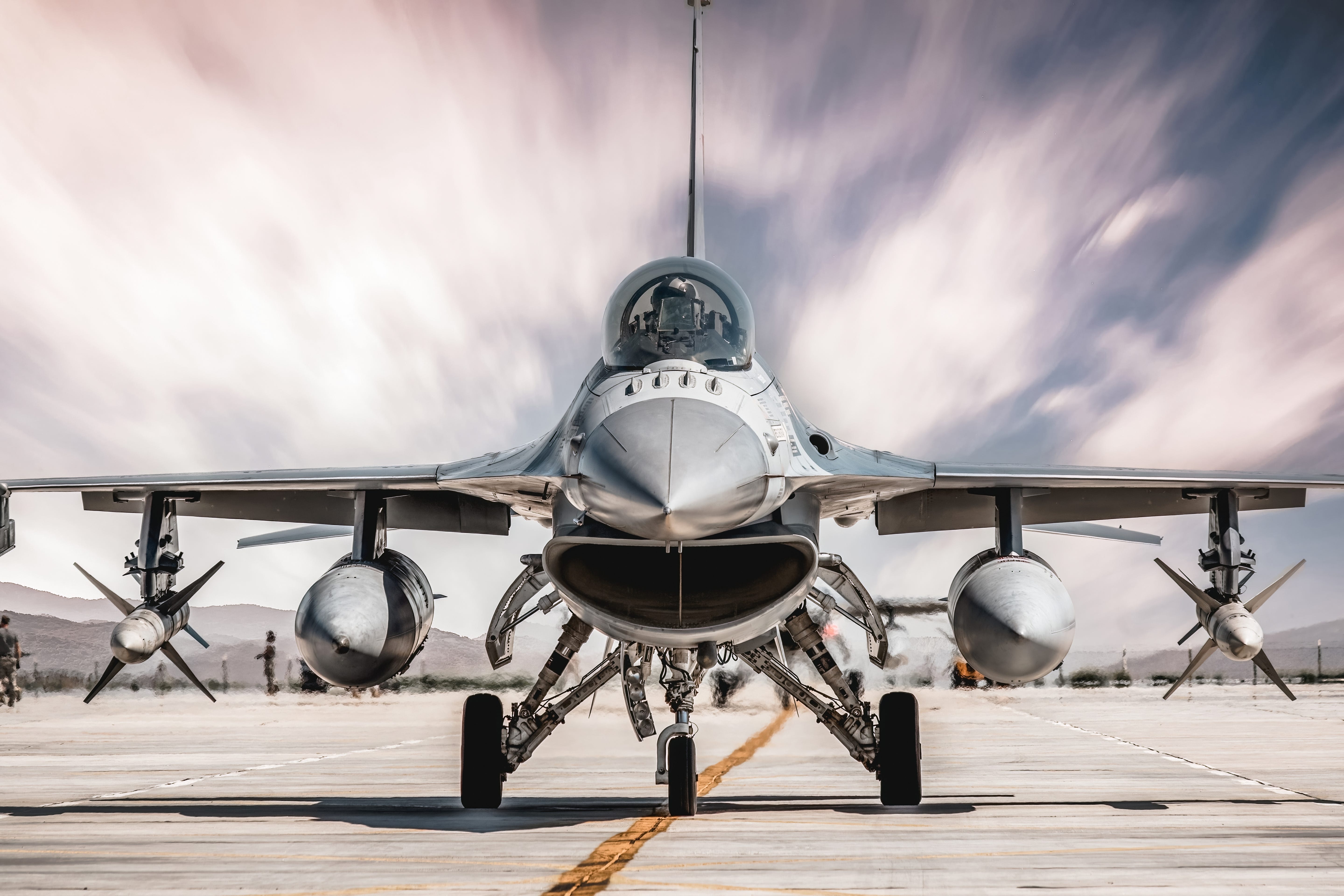
The matter is not entirely over given the express limitations placed upon Ukraine regarding the use of long-range strike capability although the U.S. Secretary of State, Antony Blinken, has left open the possibility of extending the reach of its MGM-140 Army Tactical Missile System (ATACMS) within Russia. Likewise, the long-awaited arrival of U.S. F-16 fighter aircraft provided by the Netherlands, Denmark, Norway and Belgium is imminent. The upgrade in aerial warfare will provide not only added protection in air defense but allow capability for targeting of offensive operations in addition to giving cover for Ukraine’s own offensive maneuvers. On cue, Medvedev has reiterated his nuclear threat against NATO for such action but, otherwise, he and others of his ilk are short on other options.
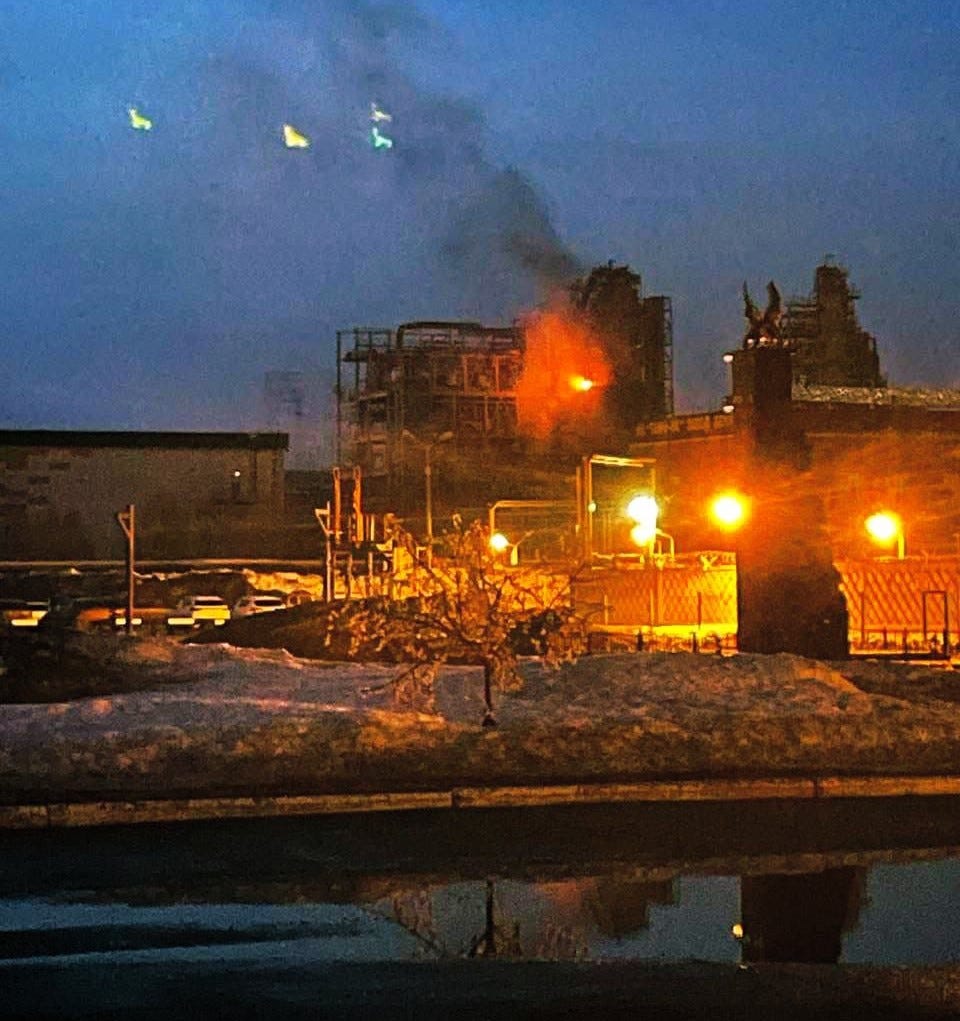
The new capabilities add to the already widespread use of Ukrainian-manufactured unmanned aerial weaponry on Russian territory. These have largely targeted Russian military installations, airfields, and convoys as well as related manufacturing facilities. More recently, oil refineries, depots and shipping ports have been attacked to impede Russia’s fossil fuel exports regarded as the primary source of revenue for its war economy.
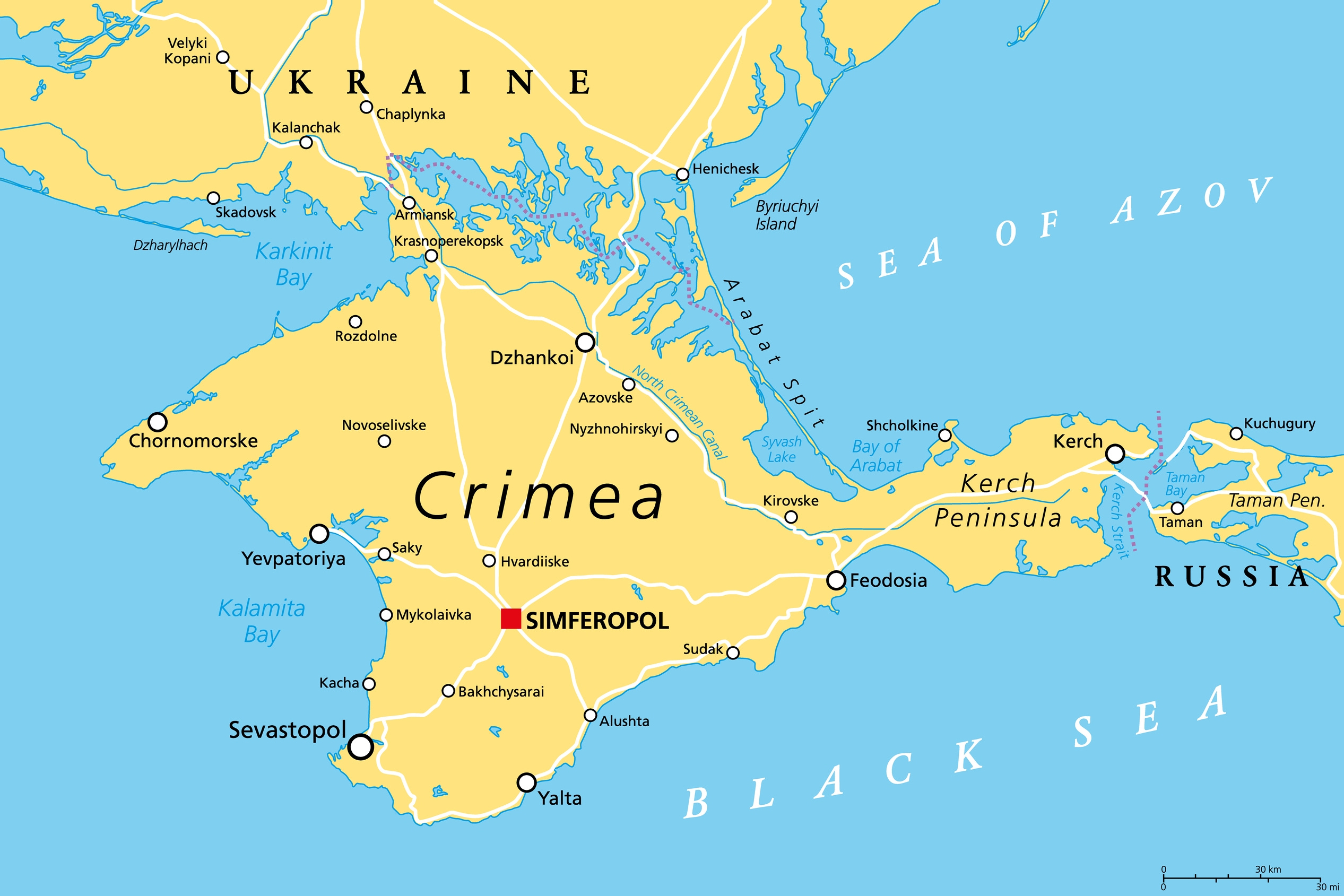
The provision of precision delivery of ordinance by ATACMS with a range of more than 180 miles also provides Ukraine with the ability to target any military installation within Crimea including its coastal regions. The peninsula has become increasingly isolated with the help of both aerial and marine drone strikes, coastal missile attacks and direct sabotage operations. Russia’s ability to supply its Crimean land bases has been compromised with progressive loss of transport capability from the Russian mainland. Heavy train traffic across the Kerch bridge was impeded after damage brought about by missile attacks and destruction of cross-channel ferry platforms and landing ships has halted oversea transport. Any attempt to complete rail connections overland through southeastern Ukraine is now also questionable as this territory is easily in range of ATACMS.
Economic Sustainability
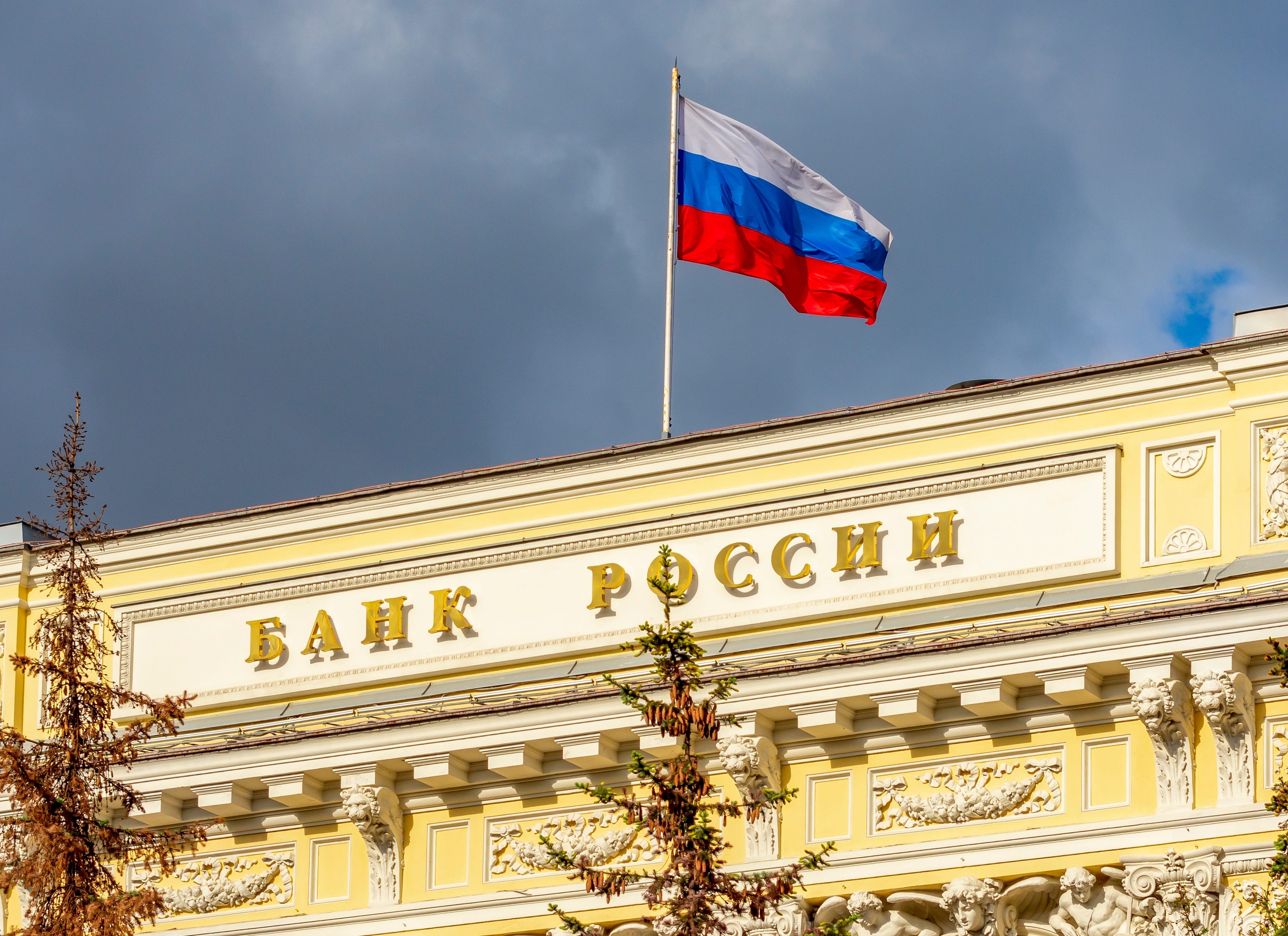
Western sanctions have tightened to deter further means by which Russia has continued to circumvent previous restrictions particularly of its fossil fuel exports. Beyond this, the seizure of assets of the Central Bank of Russia (CBR), currently within foreign exchange reserves, has had renewed focus as a means of providing funds toward Ukraine’s immediate needs and its later reconstruction. The U.S. Congress passed legislation providing $61 billion in aid for Ukraine on April 20, 2024. Included in the bill was a provision enabling the Biden administration to hand over CBR assets amounting to more than $5 billion to Ukraine as stipulated within the Rebuilding Economic Prosperity and Opportunity (REPO) for Ukrainians Act, introduced in the Senate in June 2023. A report regarding the execution of this ruling is due back to Congress within six months.
What remains is the will of the Biden administration to carry out the undertaking. It wishes to consult with members of the G7 and the 27-member EU in order that, as National Security Adviser, Jake Sullivan, puts it, “we all move together.” The EU, however, has already moved ahead with the seizure of the profits generated through investment of its own CBR assets, the large part of which is held by the Brussels-based securities depository, Euroclear. The annual interest is estimated to amount to $3.3 billion, 90% of which would be used for the purchase of weapons and 10% for nonmilitary aid with the first payout to Ukraine due this July. The legality of the process in the U.S. has been a matter of debate for some time although prominent legal authorities and economists in the U.S. have argued in favor.
Concern has been raised that such a move might cause a nation like China, a substantial holder of U.S. Treasuries, to question the wisdom of keeping its assets in U.S. dollars (USDs). Movement of such sums could create risks for the U.S. within the global finance system. The challenge for China, on the other hand, with its own precarious economic state of affairs, would be to threaten its own financial well-being by reacting rashly with such an action. Until 2023, most of China’s foreign exchange has been settled in USDs although there has been a gradual increased use of the Chinese yuan (CNY) for both domestic and global payments since 2010 ostensibly to reduce its dependency upon the USD. Other nations such as Brazil and Argentina have also made plans to engage in the use of the CNY in foreign exchange transactions.
The scenario of a resulting decline in the dominance of the USD threatening its reserves and diminishing the power of Western sanctions, is unlikely in the face of challenges still faced by China – its frail economy limiting the use of the yuan, the actual supply of the yuan globally imposed by its strict capital controls, and continued dominance of the USD on foreign exchanges. Moreover, a majority of yuan trading occurs against the USD with 50% of its foreign exchange reserves also apparently made up of USDs. Emerging foreign markets have faced shortages of the USD across Africa, South Asia and South America forcing them instead to use the yuan. This trend could be reversed by the U.S. taking measures to address these shortages.
It is for the great majority of civilized nations to judge whether the actions of a single nation have exceeded the bounds of civility and morality. And by doing so, to warrant a timely response sufficiently severe and with the minimum expense of human life to stop it. The imminent threat of economic collapse by continued sanction and by asset seizure is certainly one such means of bringing obvious criminality to justice.
Summary
The limitations placed upon Ukraine in the use of foreign munitions within the territory of Russia throughout this war were short-sighted and showed a lack of understanding of Russia’s own limitations with the threats it would have made at the start. Russia’s observation of the actions of prior U.S. administrations in the case of the perpetual Syrian war, the Russian invasions of Georgia in 2008 and then Crimea in 2014 provided Putin the encouragement he required to proceed with the more brazen attack upon Ukraine as a whole in 2022. The incremental munitions support given to Ukraine subsequently succeeded in providing an adequate defense but failed to demonstrate to Putin what the U.S. and the West could otherwise have shown him to be a consequence of his miscalculation. The hesitation before the likes of Putin is not dissimilar to what was allowed for Adolf Hitler when he occupied the Rhineland in 1936 while the West stood aside and then threatened war over the issue of the Sudetenland in 1938, before the West bargained that away only to fall into the abyss of a world war.
The rather timid response in the current circumstances of allowing Ukraine to use foreign munitions upon very limited areas of Russia without allowing it some discretionary judgment to target further strategic military sites is again a demonstration of the ambivalence with which this war is mediated from the outside. It is clear that Ukraine has not managed this war with the same disregard for civilian life and infrastructure as has Russia. Why is there not a willingness to provide it the means of at least approximating the level of force to be brought against Russia as the latter has engaged in its unlawful invasion of Ukraine?
The harnessing of adverse economic consequences for Russia must likewise be addressed, specifically the seizure of the entire foreign investments of assets belonging to the CBR within the U.S., the EU and other foreign lands, not just the interest payments afforded them. Is it in doubt who the sole perpetrator of this war is? It is neither NATO nor the U.S. as has been claimed by Putin and his online trolls and misguided Western pundits. It is not some Nazi regime in Ukraine that has threatened Russia’s statehood. The harm that Russia has caused demands reparations for which the perpetrator must be held accountable. Russia is incapable of accepting blame for its misdeeds and the only reality here requires that it pay for them in some other manner. Perceived legal constraints regarding international finance regulation should not be seen to override humanitarian needs in situations where overt criminal injustice is perpetrated especially when individual national legislative action has provided the means to take the matter in hand.
After 25 months of war, the time to act decisively and bring the conflict to its end is here. To those in Congress who argue the administration provide a “strategy” for U.S. involvement in the war, let them first answer for themselves how it is that, since the end of World War II, the U.S. has spent trillions of dollars chasing a malign adversary, Russia, around the globe only to find itself on a battlefield in Ukraine where the means to end the problem finally lies before it? The strategy is simple. Please read the above.
Copyright @Kost Elisevich, MD, PhD 2024. All rights reserved. Any illegal reproduction of this content will result in immediate legal action.
The post The Time Has Come for Decisiveness in Ukraine first appeared on Kost Elisevich.